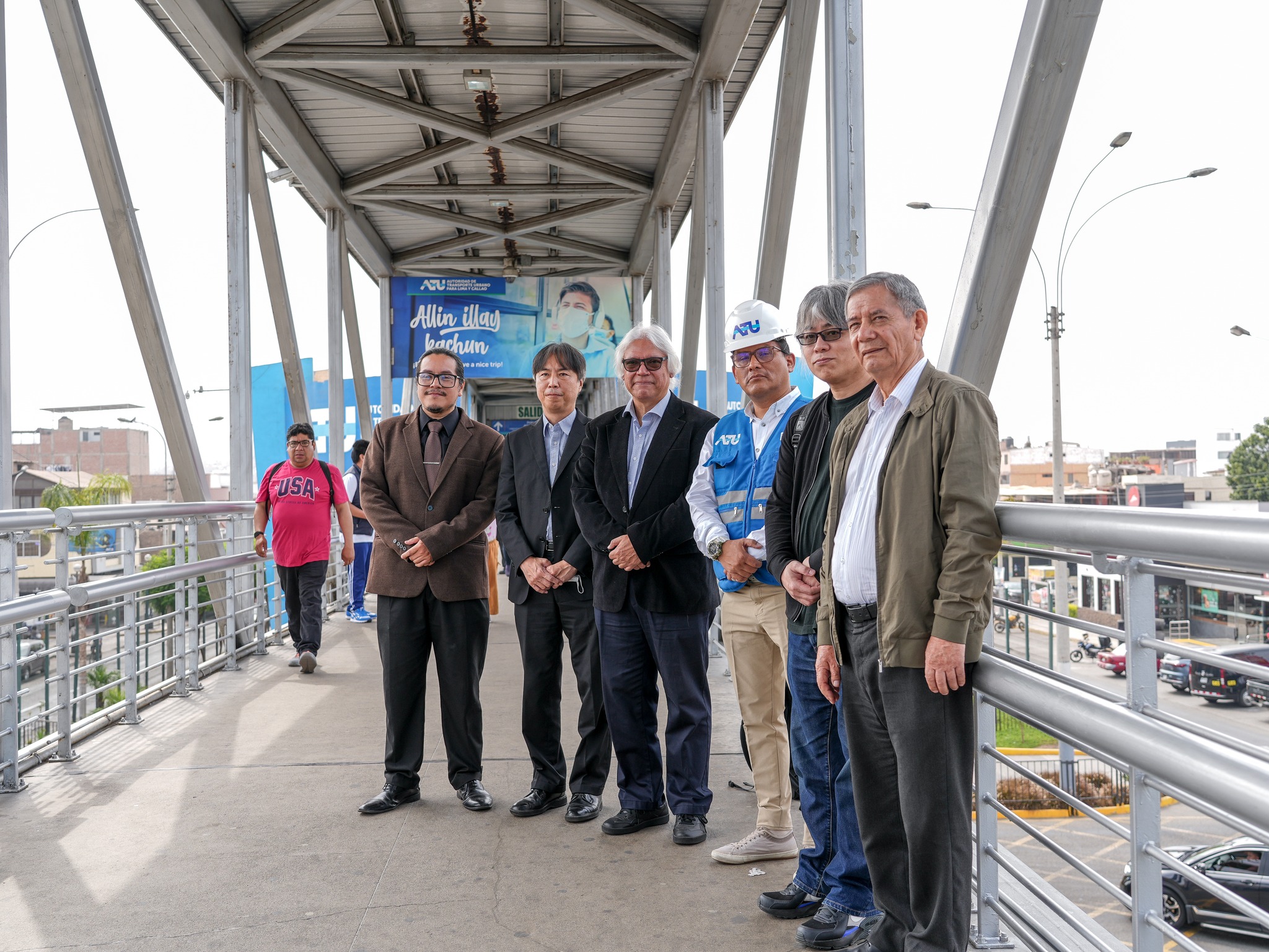
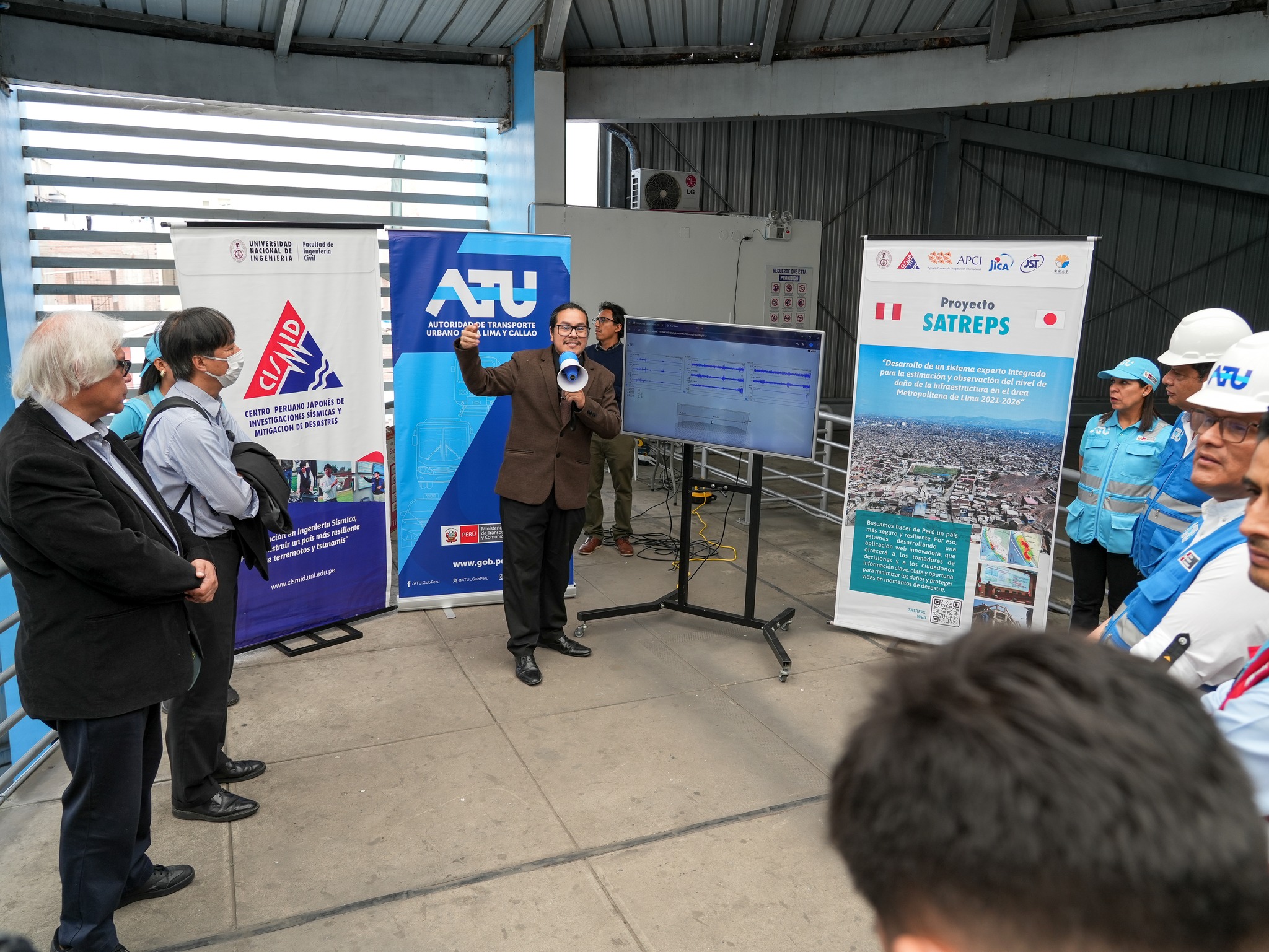
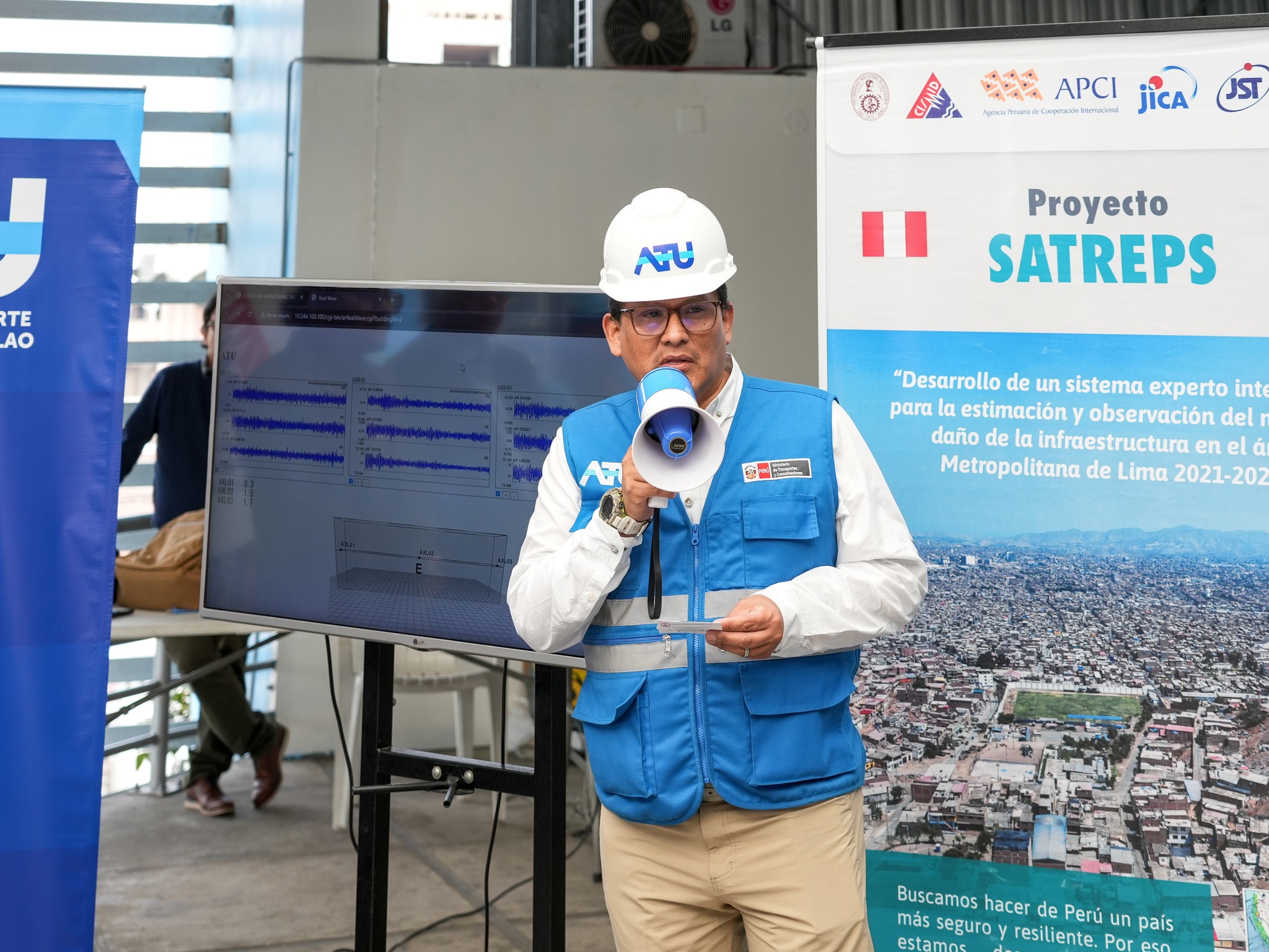
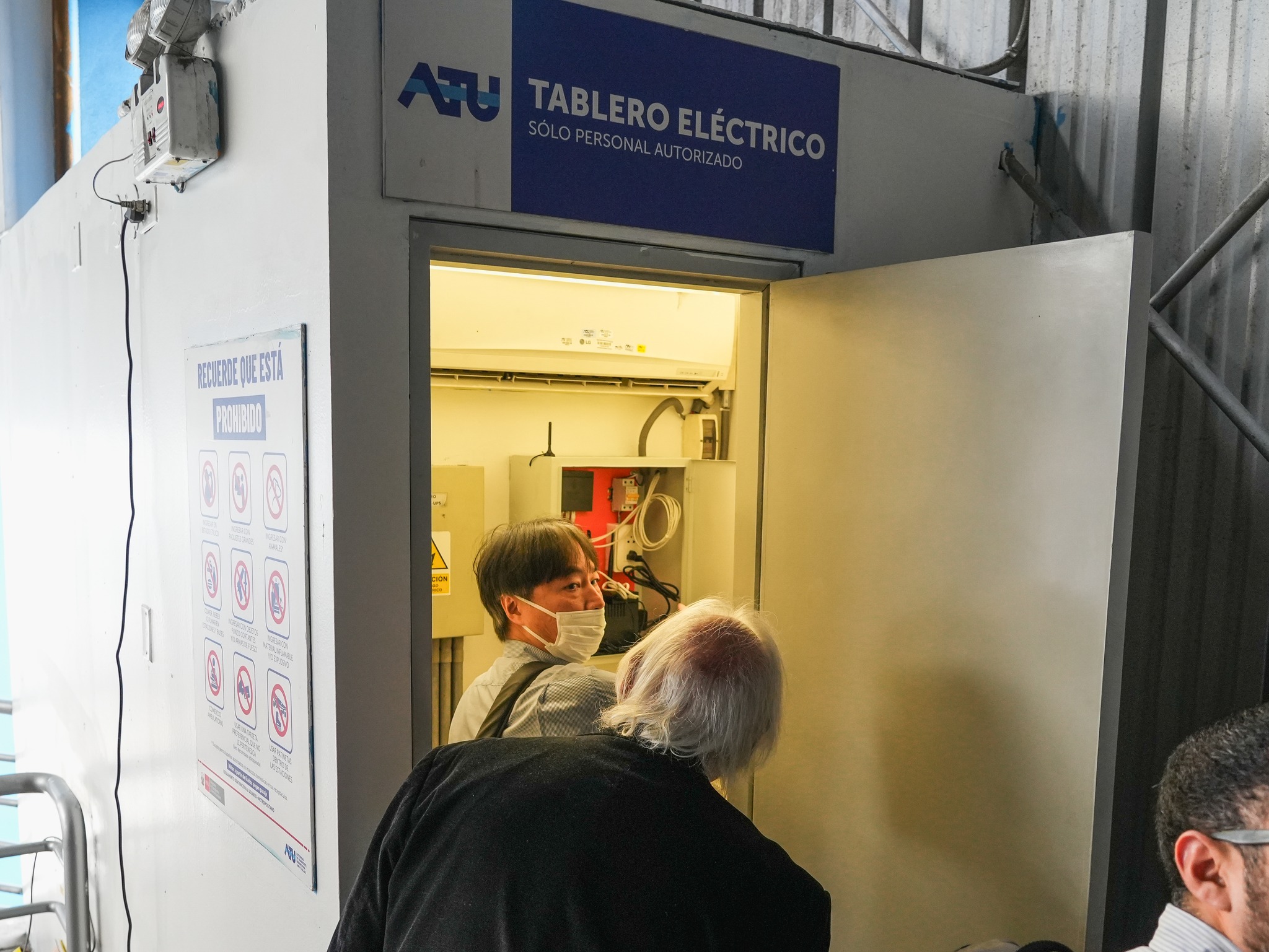
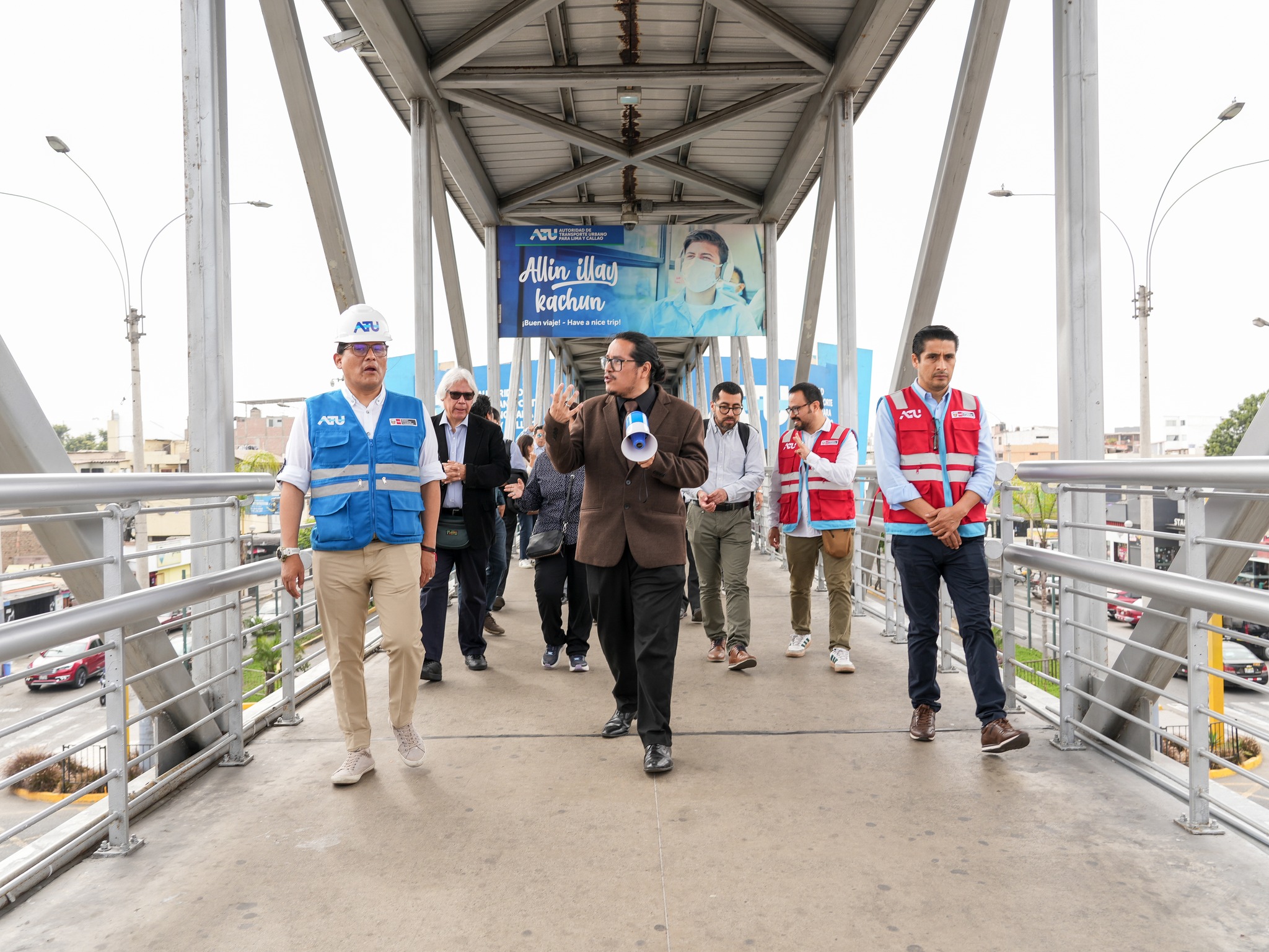
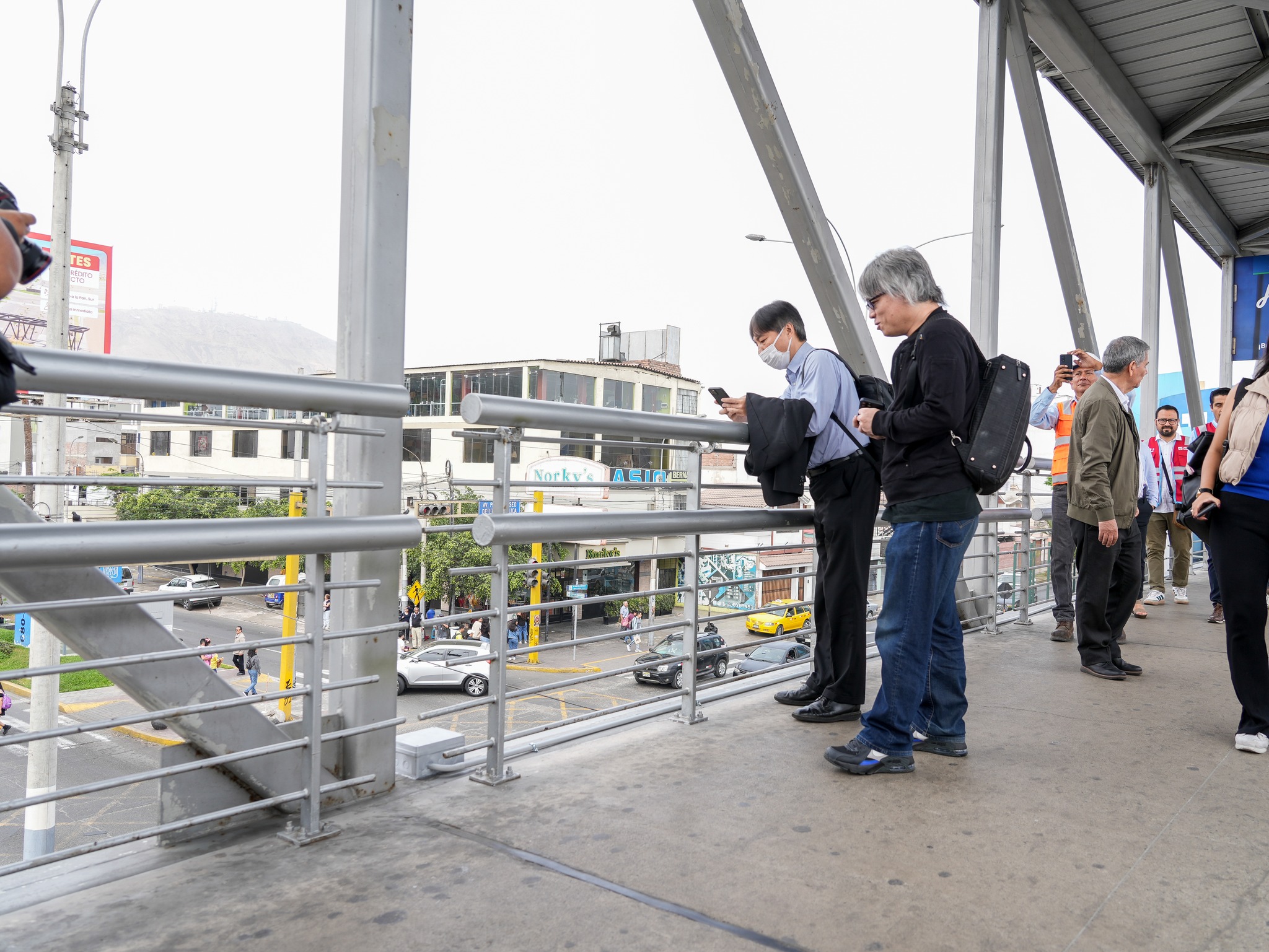
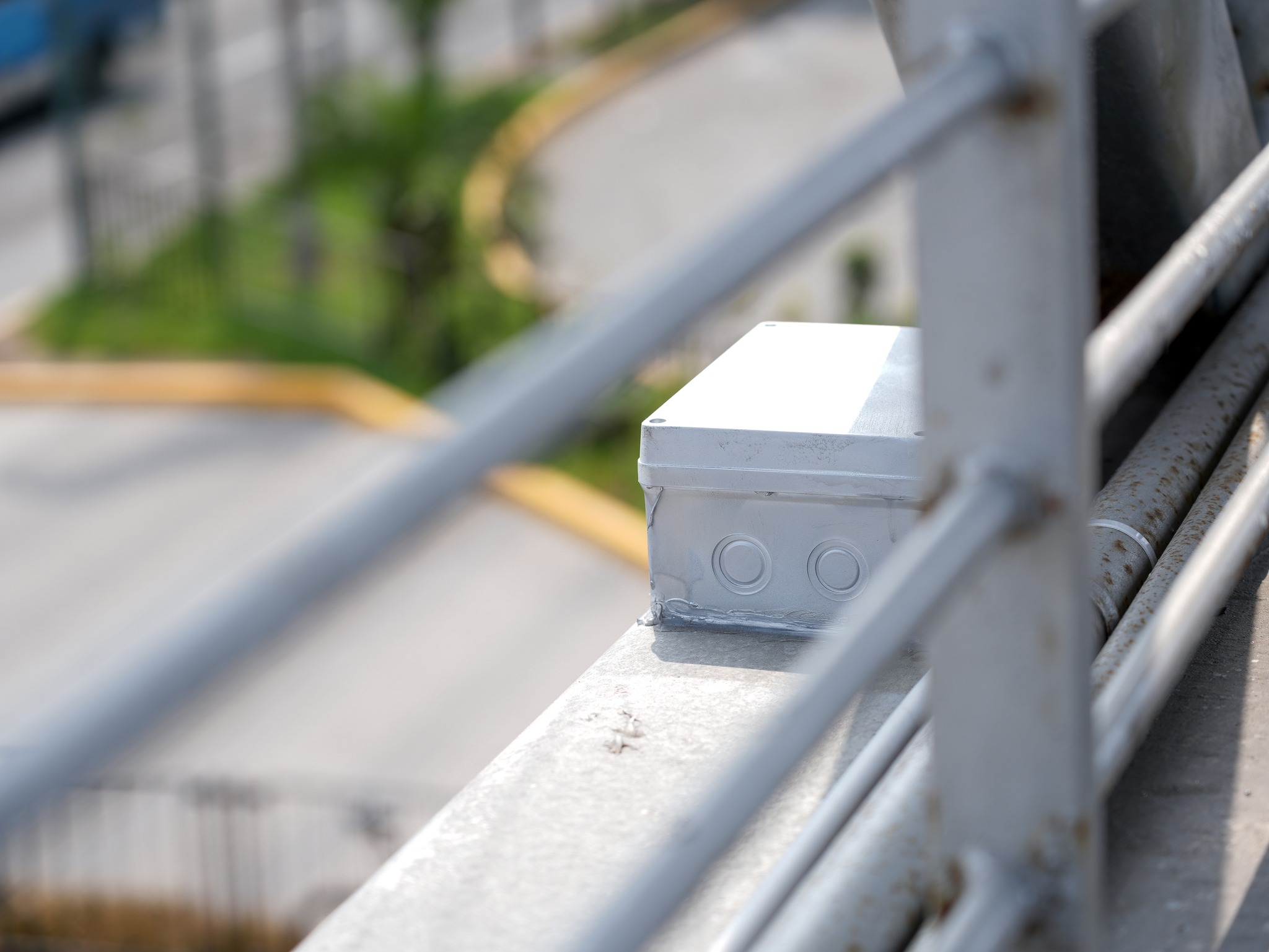
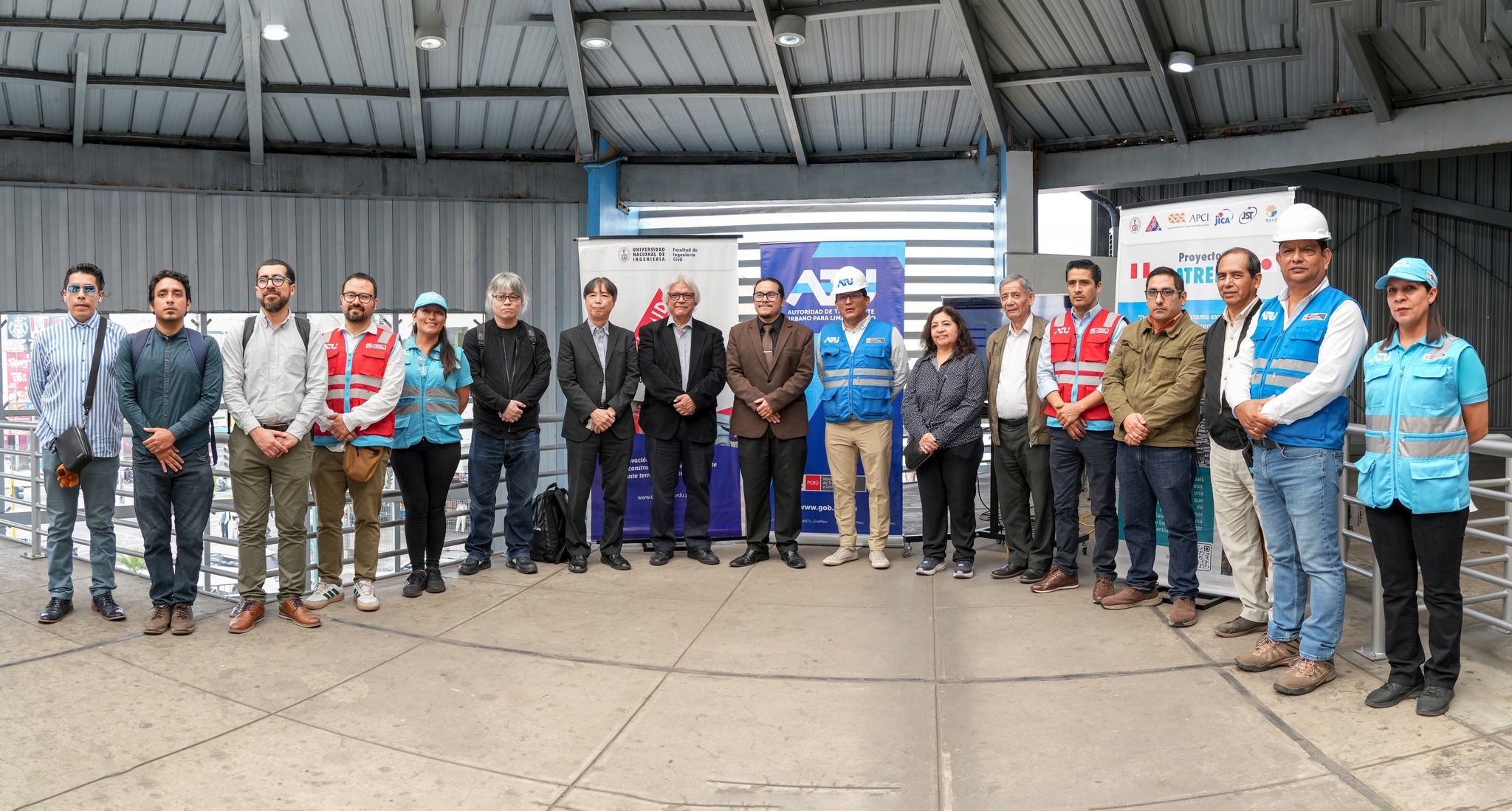
As part of the SATREPS 2021–2026 project, the Peru-Japan Center for Earthquake Engineering Research and Disaster Mitigation (CISMID–FIC–UNI) led the installation of the first seismic observation system on an urban transport infrastructure in Lima: the pedestrian bridge at the Matellini station of the Metropolitano. This achievement was made possible through the cooperation agreement between the National University of Engineering (UNI) and the Urban Transport Authority for Lima and Callao (ATU).
Three acceleration sensors have been installed to monitor the structural health of the bridge in real time. This system records vibrations, detects potential damage after a seismic event, and evaluates the structure’s usability—ensuring the safety of the thousands of people who use this route daily.
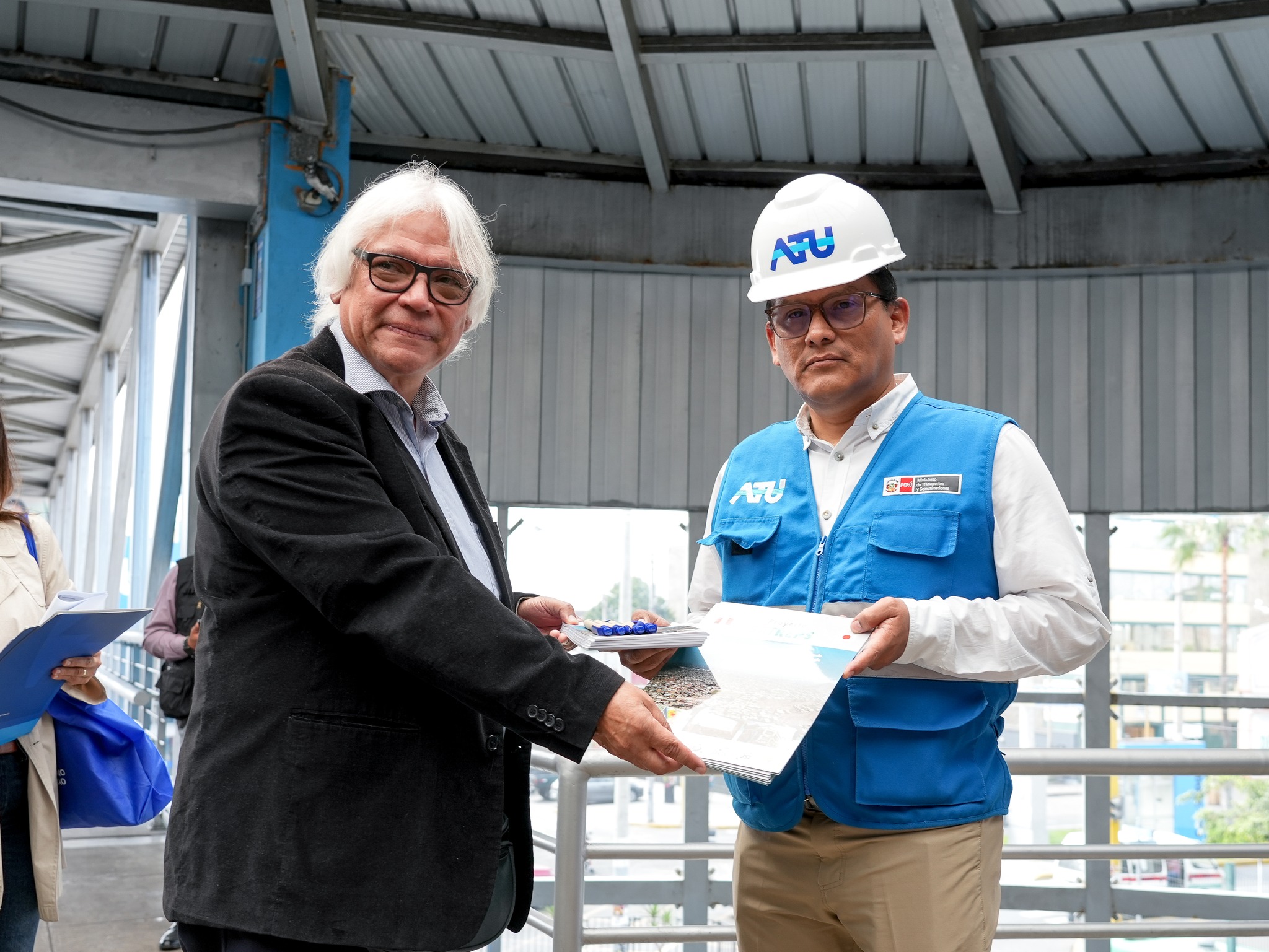
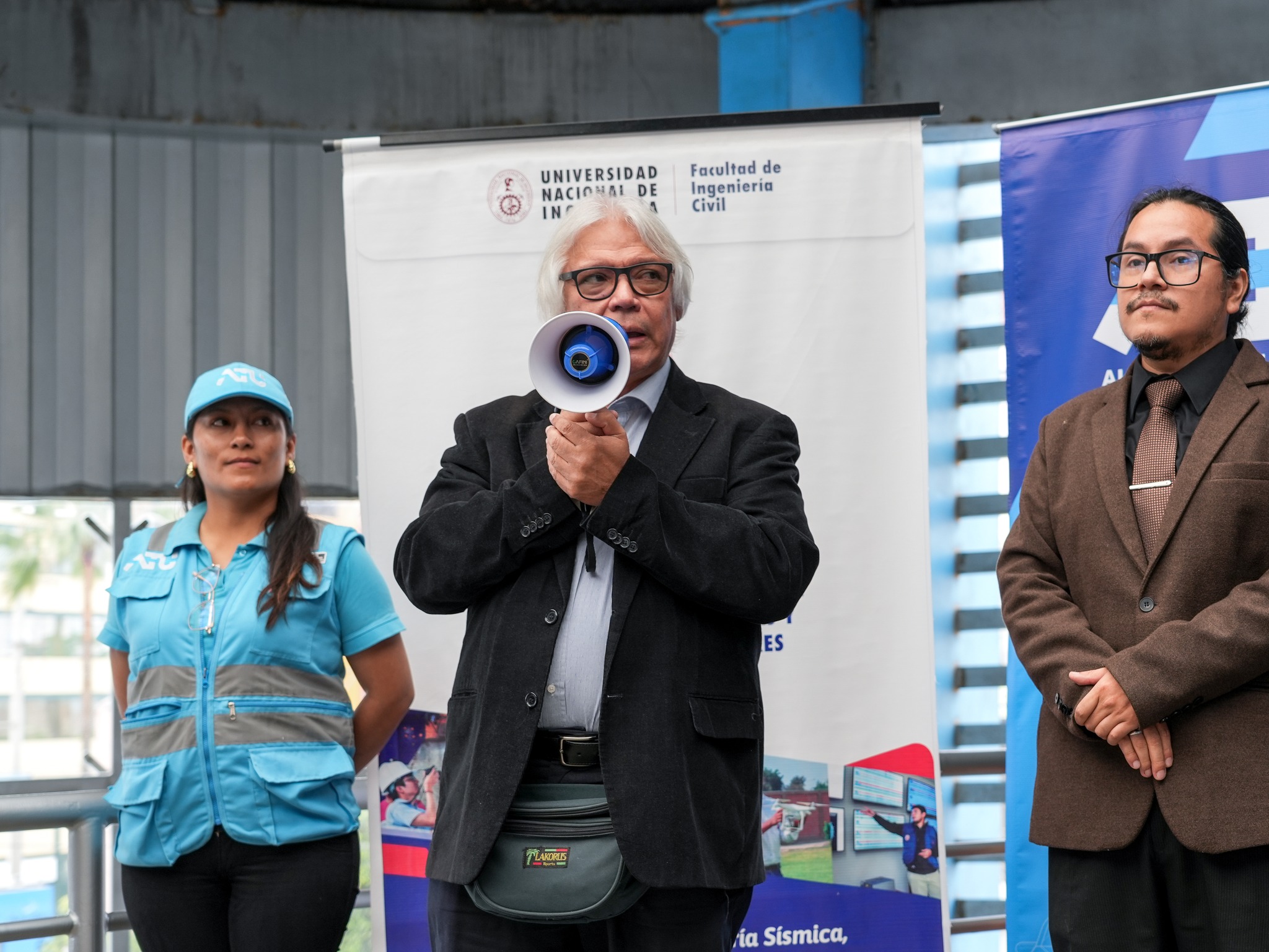
The system’s official presentation, held on December 15, brought together authorities and experts, including ATU’s Executive President, Lic. David Hernández; Dr. Koichi Kusunoki, SATREPS Project Leader for Japan and professor at the Earthquake Research Institute of the University of Tokyo; and Dr. Carlos Zavala, SATREPS Project Leader for Peru, along with researchers from CISMID.
During the event, Dr. Kusunoki emphasized the importance of damage detection systems:
“We can never know exactly what kind of damage will occur after an earthquake. That’s why agreements like the one between ATU and UNI are essential for developing research focused on damage detection.”
Lic. Hernández highlighted the value of this technology for decision-making:
“We often see that infrastructure remains standing after an earthquake, but we don’t know whether it’s still safe to use. This kind of evaluation is critical—it allows us to make evidence-based decisions.”
Dr. Zavala noted that this cooperation enables institutions like ATU not only to implement monitoring systems on their infrastructure but also to receive technical support to expand these solutions to other critical structures across the city.
This initiative is part of the work conducted by Group 2B of the SATREPS project, led by Eng. Jorge Gallardo, which focuses on lifeline infrastructure such as bridges, road networks, and water and sanitation systems.
Next steps include the installation of an accelerograph at the Plaza de Flores station, and further expansion of seismic monitoring systems to other key locations along the Metropolitano—building a resilient observation network for Lima’s vital infrastructure.